
Sleep Like a Five-Star Guest at Home

Today we explore hospitality-grade bedding, linens, and a comprehensive mattress selection guide, revealing how professional standards translate into everyday comfort. Expect clear explanations, practical checklists, and real stories from boutique hoteliers and housekeepers so you can confidently recreate reliable, luxurious sleep without overspending or falling for marketing myths.

Decoding Fabric Quality: Thread Count, Weave, and GSM

Hotels rely on consistent, testable benchmarks rather than buzzwords. Understanding thread count beyond hype, comparing percale and sateen weaves, and reading towel GSM honestly will help you match durability, crispness, and hand-feel to your climate, washing routine, and comfort expectations while keeping replacements predictable and costs controlled.

01

Thread Count Truths, Not Traps

A higher number is not automatically softer or stronger. Single-ply yarns with honest counts outperform inflated multi-ply claims. Focus on staple length, yarn quality, and finishing processes. Many boutique hotels prefer balanced 250–400 counts for breathability, longevity, and that fresh, cool feel guests remember and request repeatedly.

02

Weave Matters: Percale Versus Sateen

Percale feels crisp, matte, and breathable, perfect for warmer sleepers and humid climates. Sateen drapes silkier, with gentle sheen and extra warmth for cooler rooms. Hotels stock both to match seasons and guest preferences. Choose based on sleep temperature, desired texture, and care routine, not glossy catalog descriptions.

03

Towel Weight and GSM Reality

GSM indicates density, not guaranteed softness. Midweight 500–650 GSM towels dry faster, resist mildew, and launder efficiently in busy households. Ultra-heavy towels can feel indulgent yet dry slowly and strain machines. Consider ventilation, wash frequency, and energy costs, just as professional laundries do when balancing luxury with practicality.

Materials That Matter: Cotton, Linen, and Modern Fibers

Premium hospitality choices center on fiber integrity, responsible sourcing, and stable performance after repeated washes. Learn how Egyptian, Pima, or Supima cottons compare, why linen breathes extraordinarily well, and when lyocell or bamboo-viscose blends shine, supported by certifications like OEKO-TEX and GOTS to reduce guesswork and regret.

Cotton Grades and Real-World Durability

Long-staple cottons resist pilling, accept dyes evenly, and soften gracefully with laundering. Supima’s verified origins provide reliability, while generic “Egyptian” claims can be vague. Hotels prefer consistent mills and predictable shrink profiles. If budget is tight, prioritize verified long-staple blends over flashy labels that lack testing or traceability.

The Breathable Charm of Linen

Linen’s hollow fibers wick moisture, regulate temperature, and grow softer over years. Light rumpling is part of its relaxed elegance prized in coastal resorts. Pre-washed linen reduces stiffness and shrink. Choose midweight weaves for year-round use, and embrace its lived-in character that improves rather than degrades with time.

Lyocell, Bamboo-Viscose, and Blends

Modern cellulosic fibers offer cool touch and excellent drape, often favored by warm sleepers. Look for closed-loop lyocell processes and credible certifications. Blends with cotton can stabilize durability and hand-feel. Check care labels, as some silky fabrics snag easily, requiring laundry bags, gentle cycles, and low-heat drying for longevity.

Mattress Fundamentals: Support, Pressure Relief, and Cooling
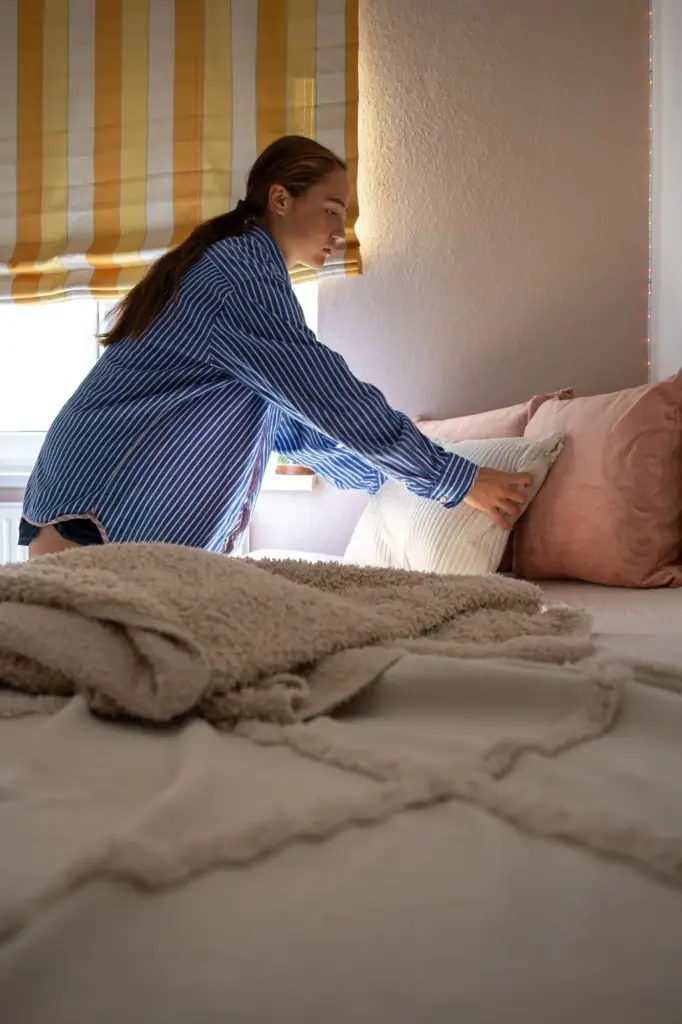
Professional buyers weigh support structure, pressure relief, and heat dissipation before brand prestige. Hybrids combine coils and foam for balanced comfort, latex excels at resilience and airflow, and memory foam isolates motion. Evaluate firmness by sleep position, consider edge reinforcement for easy exits, and prioritize breathable covers for steady comfort.

Firmness Matching for Sleep Positions

Side sleepers usually benefit from medium to medium-soft feels that cushion shoulders and hips while keeping the spine aligned. Back sleepers often prefer medium to medium-firm. Stomach sleepers need firmer profiles to prevent bowing. Hotels choose adaptive ranges, then fine-tune with mattress toppers to accommodate diverse guest needs gracefully.

Motion Isolation and Partner Peace

Couples value motion control more than they realize. Pocketed coils and quality foam comfort layers reduce disturbances from turning or late returns. If you or a partner shifts frequently, prioritize isolation. Ask for data, not slogans, and test with a simple water-glass experiment to confirm marketing claims against real movement.

Layering the Bed: Crisp, Clean, and Effortlessly Luxurious

Hotels excel at layering: protector, fitted sheet, flat sheet, blanket, duvet or comforter, and pillows tuned for position and preference. The goal is comfort plus easy laundering. Learn triple sheeting tricks, corner techniques, and insert weights that adapt seamlessly to seasons without cluttering closets or budgets.

Care, Laundering, and Long-Term Performance

Commercial laundries extend textile life by respecting fiber rules: moderate heat, gentle detergents, and minimal softeners when absorbency matters. Adopt similar habits at home with stain triage, zipper checks, and appropriate mesh bags. Your bedding will feel better, last longer, and keep colors calm instead of prematurely fading.

Buying Smart: Trials, Warranties, and Real Value

Savvy hotel purchasers evaluate total cost of ownership: performance per wash, warranty clarity, and replaceability. You can, too. Request swatches, read trial terms, and check independent test data. Keep a simple checklist, and share your discoveries with us so others benefit from your hands-on comparisons and experiences.
Rirofaletehanimexirete
Privacy Overview

This website uses cookies so that we can provide you with the best user experience possible. Cookie information is stored in your browser and performs functions such as recognising you when you return to our website and helping our team to understand which sections of the website you find most interesting and useful.